

- Home
- About MAQOHSC
- Committee
- Contact
- Education & Training
- Events and Seminars
- History
- Key Initiatives
- Opal Mining
- Preventing Dust Diseases
- Research Grants
- Respirable Crystalline Silica
- Safety Alerts & Newsletters
- Work Health and Safety Support Request
- Workers Health Assessments
- Workplace Mental Health
- Workplace Safety Resources
MAQOHSC
https://www.maqohsc.sa.gov.au

Crystalline Silica is one of the most abundant minerals in the earth and is a basic component of soil, sand, granite and many other minerals. There are three main forms of crystalline silica, Quartz, Cristobalite and Tridymite. Quartz is the most common form of crystalline silica. All three forms of crystalline silica may become respirable size particles when workers undertake high-energy operations such as mining, quarrying, fracturing, crushing, hauling, carving, polishing, sawing, drilling, sanding, shaping, chipping, cutting or grinding any materials or products that contain crystalline silica.
Respirable crystalline silica particles are particles that are smaller than 10 microns in size, enabling these particles to reach deep into the human lungs.
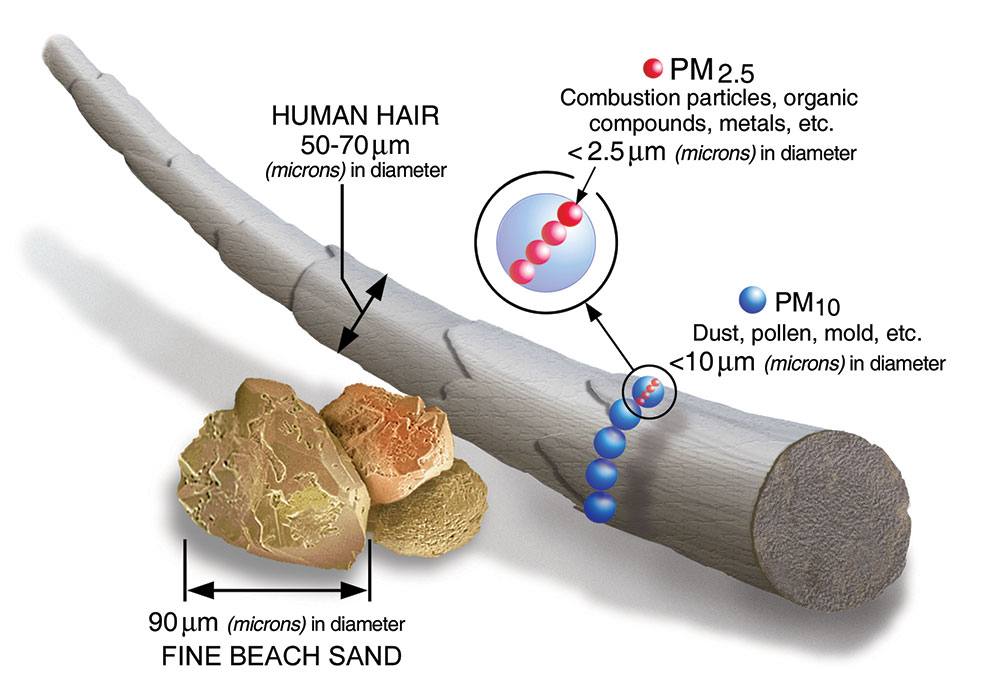
Workers exposed to respirable crystalline silica can experience serious disease and ill health as the result of breathing in respirable crystalline silica dust. The seriousness of the adverse health hazards associated with respirable crystalline silica exposure is demonstrated by the disabling illnesses and diagnosis of silicosis that continues to occur in Australia.
Crystalline silica is a classified Group 1 human carcinogen (IARC 1997).
Silicosis is a preventable lung disease triggered when respirable size dust particles containing crystalline silica enter the lungs and causes the formation of scar tissue, thus reducing the lungs’ ability to take in oxygen.
Typical silica levels can vary greatly in different materials. Sandstone is almost pure silica at between 70-90%, granite is generally around 15-30% silica and engineered stone can be manufactured with 93% or more.
Workers exposure to respirable crystalline silica in the workplace is completely preventable, however, once workers are diagnosed with lung diseases such as silicosis it is debilitating as there is no cure for silicosis.
Workplace exposure to respirable crystalline silica can occur in many industries such as:
- Mining
- Quarrying
- Stonemasonary
- Stonecutting
- Rockdrilling
- Tunnelling
- Construction activities such as jack-hammering or concrete drilling
- Cement and Concrete manufacturing
- Brick manufacturing
- Asphalt pavement manufacturing
- Abrasive blasting
- Foundry work
- Maritime industry
Workers exposed to respirable crystalline silica are also at greater risk of developing other debilitating diseases, such as: Tuberculosis, Renal failure, Scleroderma and Chronic Obstructive Pulmonary Diseases, including bronchitis, emphysema, pulmonary hypertension and lymph node fibrosis. inhaling dusts may :
- Irritate eyes, aggravate or cause skin disorders and auto immune disorders
- Pulmonary Hypertension
- Chest infections
- Chronic bronchitis – inflammation of the airways resulting in cough and irritation
- Emphysema – destruction of lung tissue and loss of lung surface area impacting the exchange of gases such as oxygen and carbon dioxide
- Lung Cancer – occurs with heavy exposure to crystalline silica – smokers are grouped in the higher risk category
- Kidney damage and Chronic Kidney Disease – may require dialysis if severe
- Renal Disease – The mechanisms by which silica may damage the renal system can be either through direct (silica particles in the kidney) or indirect toxicity. This indirect toxicity likely occurs when the lungs, after being exposed to silica particles, begin to produce macrophages to attack the particles. This process, in addition to lymph node stimulation, activates the immune system and can lead to glomerulonephritis
- Scleroderma – a disease of the connective tissue of the body resulting in the formation of scar tissue in the skin, joints and other organs of the body, pins and needles in the hands can be a symptom.
- Chronic Silicosis
- Accelerated Silicosis
- Complicated Silicosis
- Acute Silicosis.
There are four classifications for the onset of silicosis, these are:
Chronic Silicosis
This is the most common form of silicosis and usually occurs after a long period of exposure; typically 10-30 years of low to moderate dust exposure to Respirable Crystalline Silica, as the silica dust causes lungs and the lymph nodes to swell.
The symptoms of Chronic Silicosis may not be evident without a chest x-ray but as the disease progresses, those suffering will experience shortness of breath and cough.
Later stages may lead to fatigue, extreme shortness of breath, chest pain and ultimately respiratory failure.
Accelerated Silicosis
Accelerated Silicosis develops 3-10 years after first exposure of moderate to high concentrations of respirable crystalline silica.
Symptoms and x-ray findings are similar to chronic silicosis, but occur earlier and tend to progress more rapidly.
Workers diagnosed with accelerated silicosis are at greater risk for complicated silicosis, including progressive massive fibrosis (PMF).
Complicated Silicosis
Silicosis can become complicated by the development of severe scaring, where the nodules of the lungs gradually become confluent (merge together).
Progressive massive fibrosis (PMF) is associated with more severe symptoms and respiratory impairment.
Other lung diseases, such as tuberculosis, fungal infections and lung cancer, can also complicate silicosis.
Acute Silicosis
Acute silicosis develops in a few weeks to 3 years after exposure to extremely high concentrations of respirable crystalline silica.
Symptoms of acute silicosis include more rapid onset of severe disabling shortness of breath, severe cough, weakness and weight loss, which often leads to death.
Airborne Contaminants & Health Monitoring Gap Analysis Tool
The MAQOHSC WHS Legislative Airborne Contaminants and Health Monitoring Gap Analysis Tool is designed as a practical and proactive means for an organisation.
BREATHE FREELY Australia - Resources for Industry
Mining (external site) (external site) and Quarrying (external site) (external site)
Controlling exposures in | Controlling exposures in |
Silicosis has made a re-occurrence in miners resulting in greater focus on controlling exposures and medical surveillance. | In recent years, Respirable Crystalline Silica has made a re-emergence. Guidance on minimising dust exposures has been developed. Resources & more (external site) (external site) |
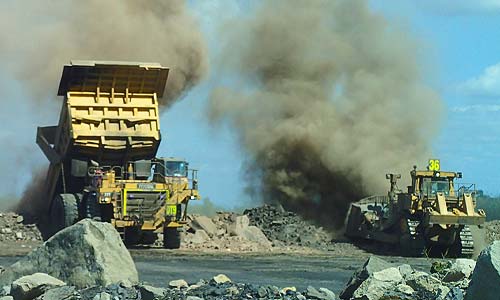
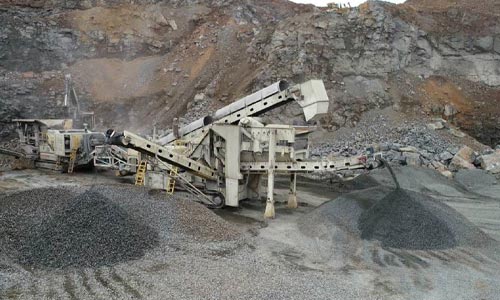
Silica in Quarries

AIOH SILICA HUB
The "Silica Hub"(site) (external site) on the AIOH website (external site)offers a mix of practical advice for workplaces and technical guidance for AIOH members on topics such analytical methods for identifying crystalline silica, air monitoring for respirable dust, what makes dust controls effective and what workplaces need to know about respirators. These resources, developed by our own expert members are designed to simplify compliance and improve workplace safety. We hope members will find the Silica Hub are useful complement to the existing Breathe Freely Australia (site) (external site) awareness materials developed for construction, mining, quarrying and engineered stone workers and welders.

IQA RCS (Respirable Crystalline Silica) fact sheets
IQA has a series of fact sheets on reducing dust exposure. Find then here (external site) (external site)
MAQOHSC Snapshots *NEW*
Cabin Cleaning Download flyer here & Components for dust prevention systems Download flyer here
Cabin Pressure and Sealing Download flyer here Dust and Health Monitoring General Snapshot Download flyer here
Respiratory PPE – Selection and Use Guide
The aim of this Guidance Material is to provide Persons Conducting a Business or Undertaking (PCBUs) and workers with practical guidance on the selection and use of suitable and adequate respiratory protective equipment (RPE) in the workplace.
SafeWork SA Guidance (external site) (external site)
IQA Fact Sheet_Respiratory Protective Equipment (1)
Fit Testing Workers Respiratory Protection
All workers exposed to respirable crystalline silica must be fit tested to protect them from occupational dust exposure that can cause adverse respiratory health issues.

MAQOHSC
https://www.maqohsc.sa.gov.au/respirable-crystalline-silica
Oct 23, 2026 1:15 pm